
By Nina Varon, Concentus singer
Mother. Cancer. This didn’t happen to me. It happened in the poem; to the poetess. It’s just a piece of music, called Cassiopeia. So why is everybody crying at the rehearsal?
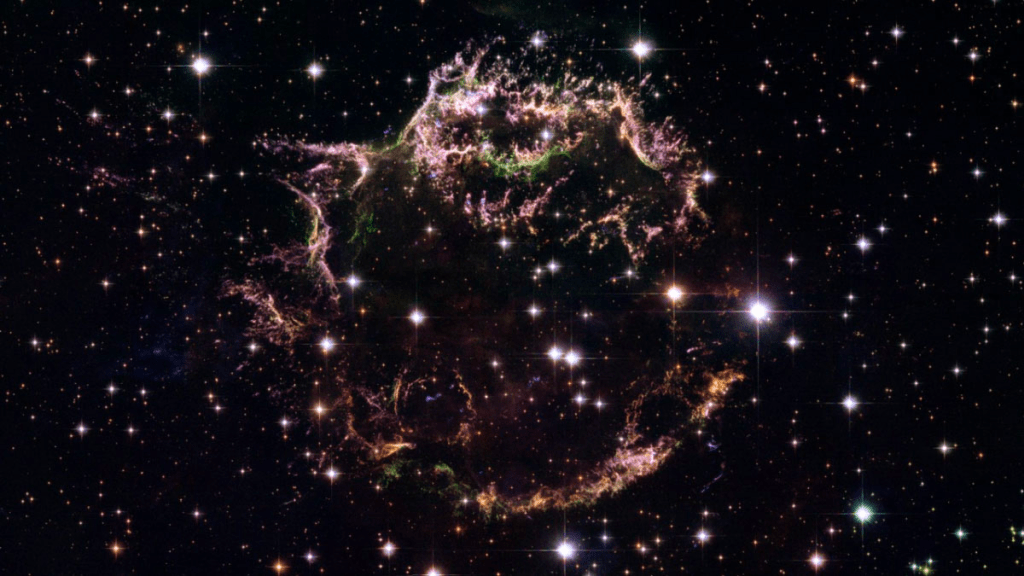
We all know that music is powerful: extracting our feelings, often on a subconscious level, it works miracles. A subtle humming melody of this song at the beginning awakens gentle feelings, interrupted by a narrative, steadily climbing into a forte climax. This exclamation, when sung with a full force and expression, as was certainly the intention of a talented composer Timothy C. Takach, cannot leave any tender heart unmoved. A wondrous star, so far, is out of reach, although beautiful and familiar to the two sisters who know it so well from their mother’s recounting. They know she has to die as the star keeps shining. We sing and listen to a desperate accusation and helpless cry. In a way, this composition evokes a very powerful sentiment of grief and healing at the same time, comparable to Samuel Barber’s Adagio for Strings. In our song, the same opening melody brings us solace at the end; the circle is closed.
How do we make sense out of death? And what about the vast universe? Shall we believe upon a star? Yes, for a moment, while music transforms us beyond our bodies, high above, only to help us realize that we cannot live forever. Nothing does. The stars? They last just a little longer.

Mother. Heart attack. This could not have happened to me. It happened somewhere far in a little country, while I was tossing and turning overnight in nightmares some years ago. Sleepless hours did last when I learned the bad news in the morning. I didn’t have time to say goodbye. As I write this, the snow is melting outside on the first spring day—my mother’s birthday somewhere in the vast universe, close to Cassiopeia.
 Concentus Women's Chorus